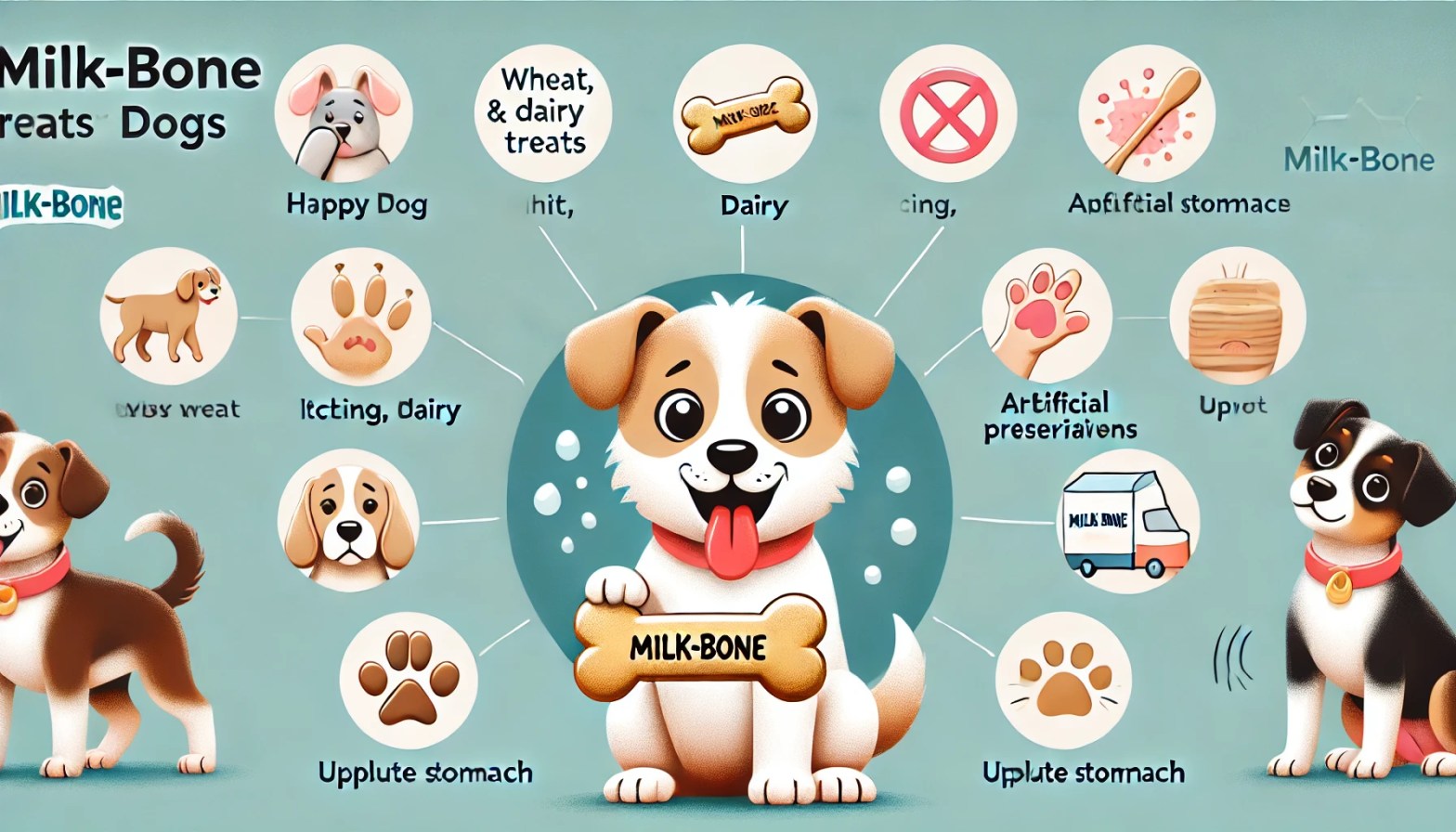
Milk bone treats for dogs are among the most popular dog snacks available today. Pet parents love them for their convenience, affordability, and palatability. However, like any other pet food or treat, there are considerations to keep in mind, especially regarding potential allergies or side effects. Understanding what goes into these treats and how they can affect your dog is essential for responsible pet ownership.
Common Ingredients in Milk Bone Treats
Most milk bone treats contain a blend of grains, proteins, and essential vitamins. Some of the commonly found ingredients include:
- Wheat flour or whole wheat
- Meat and bone meal
- Milk and dairy products
- Artificial preservatives and flavor enhancers
- Added vitamins and minerals
While these ingredients are generally considered safe, some dogs may have sensitivities or allergies that can cause reactions.
Potential Allergies to Milk Bone Treats
Dogs, like humans, can develop food allergies over time. Allergies in dogs are typically a response from the immune system to a perceived threat, even if the ingredient is usually safe. Here are some common allergens found in milk bone treats:
1. Wheat and Grain Allergies
Many commercial dog treats, including milk bone treats, contain wheat or other grains. Some dogs develop an intolerance to grains, leading to symptoms such as:
- Itchy skin and excessive scratching
- Ear infections
- Digestive issues such as diarrhea or vomiting
- Hot spots or rashes
2. Dairy Sensitivity
Since some milk bone treats contain dairy components, dogs with lactose intolerance may experience:
- Gas and bloating
- Loose stools
- Upset stomach
3. Artificial Preservatives and Additives
Some dogs may have sensitivities to artificial colors, flavors, or preservatives found in store-bought treats. Symptoms can include:
- Hyperactivity
- Gastrointestinal issues
- Skin irritations
Side Effects of Milk-Bone Treats
Even if a dog isn’t allergic, certain ingredients in milk bone treats may cause unwanted side effects. Some potential concerns include:
1. Weight Gain and Obesity
Milk bone treats are calorie-dense, and excessive feeding can contribute to weight gain. To prevent obesity, treats should only make up a small portion of a dog’s daily caloric intake.
2. Digestive Upset
Dogs with sensitive stomachs may struggle with the composition of milk bone treats. Sudden changes in diet, overconsumption, or intolerance to certain ingredients can lead to:
- Vomiting
- Diarrhea
- Loss of appetite
3. Dental Issues
Although some milk bone treats claim to support dental health, they can sometimes cause dental issues if not appropriately consumed. Dogs that tend to gulp down treats instead of chewing properly may experience:
- Choking hazards
- Plaque buildup from sugar content in some treats
How to Safely Introduce Milk Bone Treats to Your Dog
If you’re introducing milk bone treats to your dog for the first time, follow these steps:
- Check Ingredients – Ensure there are no known allergens that may affect your pet.
- Start with Small Quantities – Give a tiny piece and monitor your dog for any signs of intolerance.
- Observe Your Dog – Look out for itching, digestive upset, or other symptoms.
- Maintain a Balanced Diet – Treats should complement a well-rounded diet and not replace complete nutrition.
- Consult Your Veterinarian – If unsure about an ingredient or if symptoms appear, seek professional advice.
Best Alternative Treats for Dogs with Allergies
If your dog shows sensitivity to milk bone treats, there are several alternative options available:
- Grain-Free Treats – Opt for treats that do not contain wheat or corn.
- Limited Ingredient Treats – These have minimal ingredients, making it easier to identify allergens.
- Homemade Treats – You can make treats using safe ingredients like pumpkin, peanut butter, or sweet potatoes.
Are There Alternatives for Cats?
While milk bone treats are specifically formulated for dogs, pet parents may also be looking for the best treats for cats. Treats with real meat, limited grains, and added taurine are excellent choices for felines. Soft chew treats or freeze-dried meat options are often recommended for cats who prefer variety in their diet.
Conclusion: Ensuring Safe and Healthy Treats for Your Pet
Milk bone treats for dogs can be a great occasional snack, but it’s crucial to ensure they’re suitable for your pet’s individual health needs. Always check ingredients, introduce new treats slowly, and watch for any adverse reactions. If your dog experiences allergies or sensitivities, there are plenty of alternative options available. Additionally, cat owners should look for the best treats for cats that cater to feline dietary needs.
Choosing high-quality, well-balanced pet treats contributes to the overall well-being of your furry companion. Whether selecting treats for dogs or cats, always prioritize their health, dietary requirements, and enjoyment for a happy, thriving pet.
 Wiki Media Work