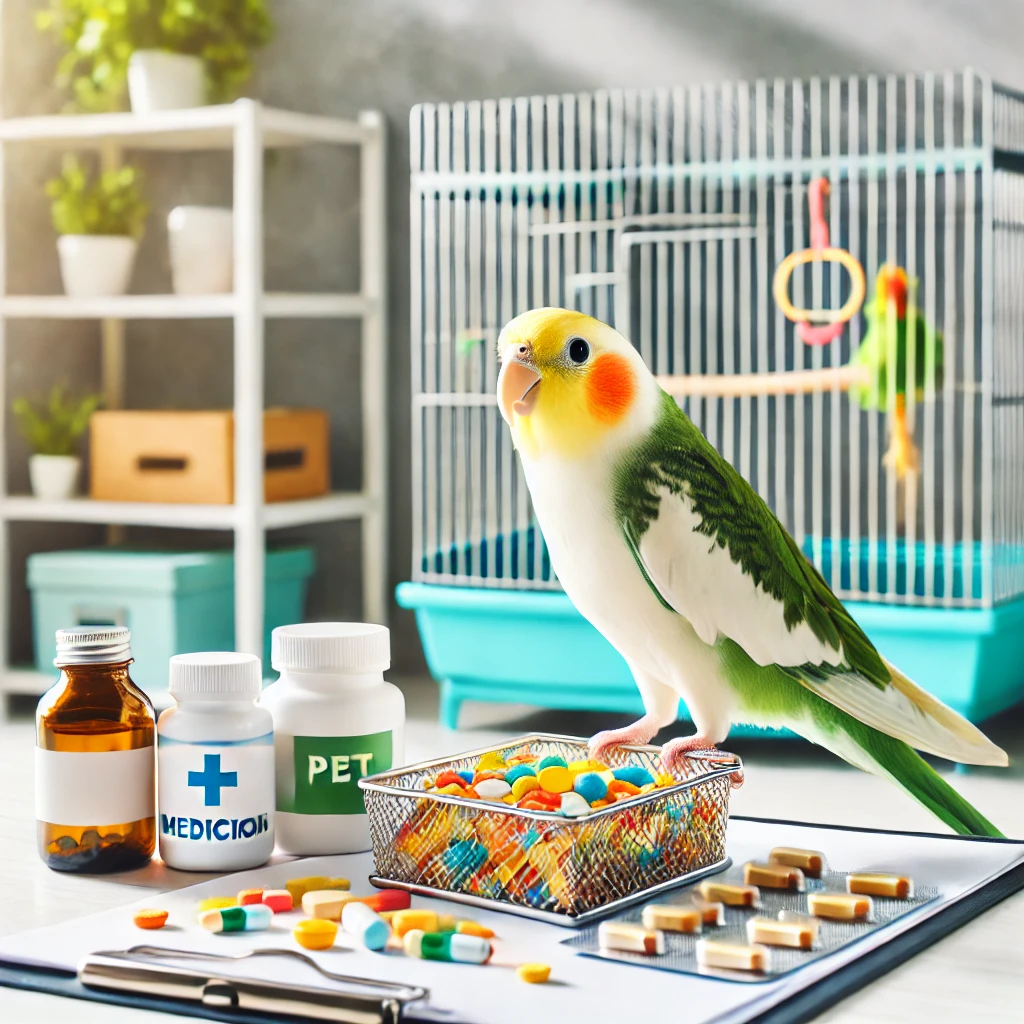
Caring for pet birds goes beyond providing a beautiful cage and a healthy diet. Ensuring their well-being also involves being proactive about their health. This guide explores everything you need to know about bird medication and Bird Healthcare, helping you provide the best care for your avian companions.

Understanding Bird Healthcare: Why It Matters
Birds are delicate creatures, and their health can deteriorate rapidly without proper attention. By prioritizing regular check-ups, a nutritious diet, and early intervention when health issues arise, you can prevent minor ailments from escalating into severe problems.
Common Health Issues in Pet Birds
- Respiratory Infections: Often caused by drafts, poor ventilation, or exposure to toxins.
- Feather Plucking: A sign of stress, allergies, or underlying medical conditions.
- Digestive Problems: Can stem from inappropriate diets or infections.
- Parasites: Both internal (worms) and external (mites) parasites can affect birds.
- Vitamin Deficiencies: A poor diet lacking essential nutrients can lead to a range of health issues.
Types of Pet Bird Medications
To address these issues effectively, understanding the available pet bird medications is crucial. Let’s explore some common types:
1. Antibiotics
Used for treating bacterial infections like respiratory illnesses. Always administer under a veterinarian’s guidance.
2. Antifungals
Effective against fungal infections such as aspergillosis, which commonly affects the respiratory system.
3. Anti-Parasitics
For treating both internal and external parasites. Regular deworming and mite treatments are essential.
4. Vitamins and Supplements
Ensures birds receive nutrients not sufficiently provided by their diet. Calcium and vitamin D are particularly important.
5. Probiotics
Help maintain a healthy gut flora, especially after antibiotic treatments.
Best Practices for Administering Bird Medication
Proper administration of bird medication is critical for its effectiveness and your bird’s safety. Follow these guidelines to ensure success:
1. Consult a Veterinarian
Always seek professional advice before starting any medication. Incorrect dosages or unnecessary treatments can harm your bird.
2. Use Medication-Specific Tools
Many medications come with droppers or syringes for precise administration. Using these ensures accurate dosing.
3. Mix Medication with Food or Water
If direct administration is difficult, consult your vet about mixing medication with food or water. Ensure your bird consumes the entire dosage.
4. Monitor Side Effects
Observe your bird closely for any adverse reactions, such as vomiting, lethargy, or appetite changes. Report these to your veterinarian immediately.
Building a Bird Healthcare Routine
A consistent healthcare routine promotes long-term well-being for your feathered friends. Incorporate these steps into your care routine:
1. Regular Veterinary Check-Ups
Schedule annual vet visits to catch potential issues early.
2. Balanced Diet
Provide a diet tailored to your bird’s species, including fresh fruits, vegetables, seeds, and pellets. Supplements can fill nutritional gaps.
3. Clean Living Environment
Clean cages, food dishes, and perches regularly to prevent infections.
4. Mental Stimulation
Engage your bird with toys, social interactions, and activities to reduce stress and boredom.
5. First Aid Kit
Keep a bird-specific first aid kit on hand, including items like styptic powder, disinfectants, and vet-approved medications.
Trends in Bird Healthcare
The pet supplies industry is evolving to meet the growing needs of bird enthusiasts. Here are some noteworthy trends:
Advanced Diagnostics
Innovative tools like bird-specific imaging and blood tests make diagnosing illnesses easier and more accurate.
Natural Remedies
Many owners prefer natural supplements and herbal remedies as alternatives or complements to traditional medications.
Specialized Nutrition
Brands are offering tailored diets for specific bird species, enriched with essential nutrients.
Digital Vet Consultations
Telehealth options allow pet owners to consult avian specialists without leaving their homes.
FAQs about Bird Medication and Healthcare
1. How do I know if my bird needs medication?
Look for symptoms like changes in appetite, unusual droppings, lethargy, or visible injuries. Consult a vet for proper diagnosis.
2. Can I use over-the-counter medications for my bird?
Only use medications specifically prescribed for birds. Human or general pet medications can be harmful.
3. How do I administer medication to a resistant bird?
Use a syringe or mix the medication with a treat your bird loves. Patience and gentle handling are key.
4. Are natural remedies effective for birds?
Some natural remedies can be beneficial but should only be used under veterinary guidance to ensure safety and effectiveness.
5. What should I include in my bird’s first aid kit?
Essentials include styptic powder, tweezers, antiseptic wipes, bandages, and vet-approved medications.
Conclusion: Prioritize Your Bird’s Well-Being with Quality Supplies
Caring for your bird’s health requires a proactive approach, from recognizing early signs of illness to providing the right bird medication and nutrition. By establishing a robust healthcare routine, you ensure your feathered friend’s happiness and longevity.
 Wiki Media Work