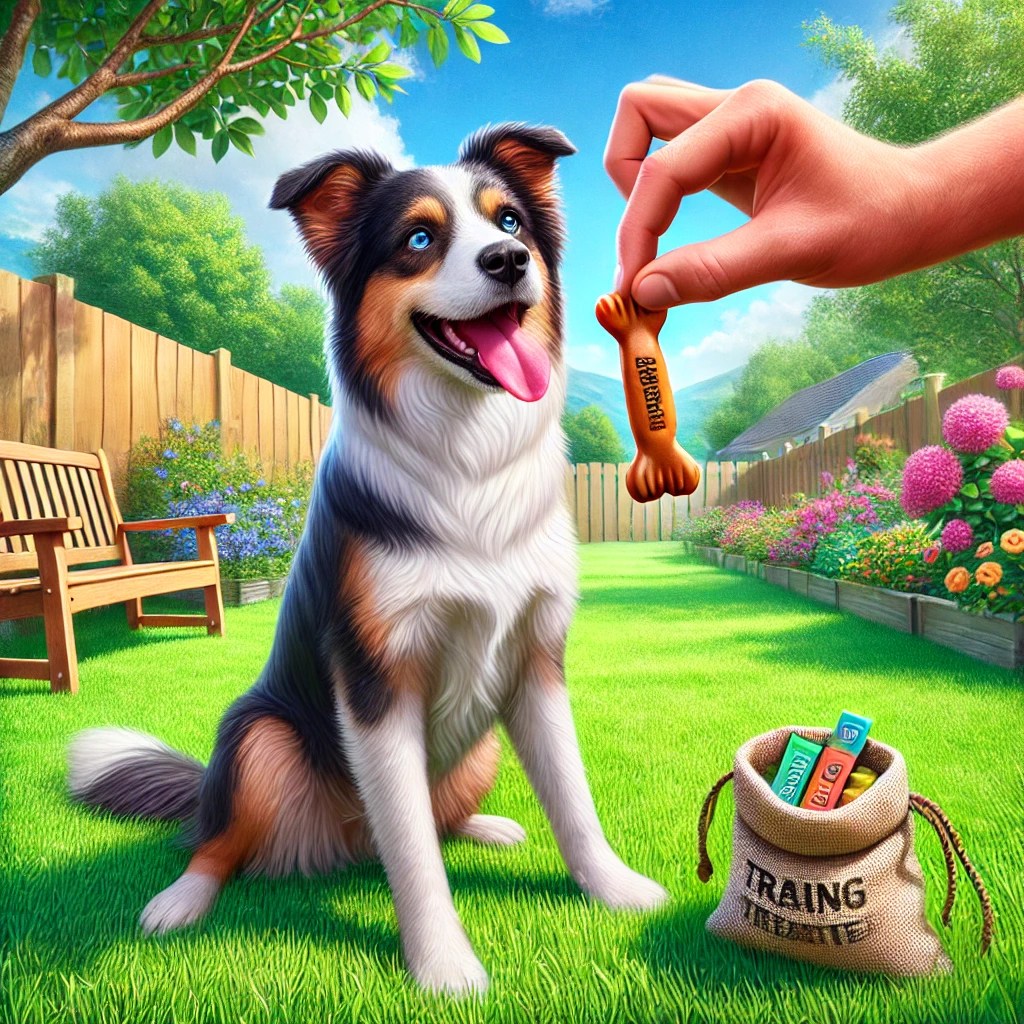
Training treats are more than just snacks—they’re a way to reinforce positive behavior and communicate with your pup. Dogs thrive on rewards and praise, and treats provide instant gratification, helping them understand they’re on the right track.
Whether you’re teaching basic commands like “sit” and “stay” or working on advanced tricks, treats can make training sessions exciting and productive.
Key Qualities to Look for in Training Treats
Not all dog treats are created equal, especially when it comes to training. Here are some essential factors to consider:
1. Size
Training treats should be small enough to allow frequent rewards without overfeeding. Bite-sized treats are perfect for maintaining your dog’s focus during longer sessions.
2. Nutritional Value
Choose treats that are high in protein and low in fillers. They should complement your dog’s diet without adding unnecessary calories.
3. Flavor
Dogs respond best to treats they find irresistible. Opt for treats made from real meat, like chicken, beef, or salmon, to keep them motivated.
4. Texture
Soft treats are often easier to chew quickly, keeping your dog engaged without interruptions.
Types of Training Treats
Training treats come in various forms, and the best option will depend on your dog’s preferences and dietary needs.
1. Commercial Training Treats
There are plenty of pre-packaged options designed specifically for training. These treats are often low-calorie, flavorful, and conveniently sized.
2. Homemade Treats
If you prefer to control the ingredients, you can make your own training treats at home. Cooked chicken, turkey, or sweet potato bites are excellent choices.
3. Freeze-Dried Treats
Freeze-dried meats are a healthy, mess-free option that many dogs love. They’re rich in protein and easy to carry on the go.
4. Kibble-Based Rewards
For dogs on a strict diet, you can use a portion of their daily kibble as training treats. This ensures they’re getting nutrition without overeating.
Homemade vs. Store-Bought Treats: Pros and Cons
Both homemade and store-bought treats have their advantages and drawbacks.
Homemade Treats
- Pros: Control over ingredients, customizable flavors, and cost-effectiveness.
- Cons: Time-consuming to prepare, shorter shelf life.
Store-Bought Treats
- Pros: Convenient, long shelf life, specifically designed for training.
- Cons: It may contain artificial additives or fillers.
Using Low-Price Dog Toys as Training Tools
Treats aren’t the only way to reward your dog during training. Toys can be just as effective, especially for high-energy breeds. Incorporating low price dog toys into your training routine can add variety and excitement.
1. Interactive Toys for Mental Stimulation
Toys like puzzle feeders or treat-dispensing balls can keep your dog engaged and challenged.
2. Tug Toys for Physical Play
A quick game of tug can be a fun reward after a successful training session.
3. Chew Toys for Quiet Time
After an intense session, a chew toy can help your dog relax and process what they’ve learned.
Tips for Effective Treat-Based Training
Here’s how to make the most out of treat-based training:
1. Use High-Value Treats for Difficult Commands
Save your dog’s favorite treats for challenging tasks to keep their interest high.
2. Gradually Reduce Treat Dependence
As your dog masters a command, transition to other rewards like praise, petting, or playtime to avoid over-reliance on treats.
3. Timing Is Key
Reward your dog immediately after they perform the desired behavior to strengthen the association.
4. Be Consistent
Stick to a routine, and use the same cues and rewards for consistent results.
How Nutrition Plays a Role in Your Dog’s Learning
What your dog eats affects not only its physical health but also its ability to focus and learn. Balanced nutrition supports cognitive function, making training easier and more effective.
When choosing treats, ensure they align with your dog’s overall diet. Lucy dog food, for instance, is a great option for dogs who need a balanced and nutritious diet. Its high-quality ingredients provide the energy and mental sharpness required for successful training sessions.
Conclusion: A Holistic Approach to Training Success
Training your pup isn’t just about teaching commands; it’s about building a strong bond and creating a happy, well-behaved companion. The right treats, coupled with effective training techniques and tools like low-price dog toys, can make the journey enjoyable and rewarding.
Remember, balance is key. While treats play a vital role in motivation, they should complement a healthy diet like Lucy dog food to ensure your pup thrives both physically and mentally.
By investing in quality supplies and adopting a consistent, positive training approach, you’ll set your dog up for a lifetime of good behavior and happiness. Whether you’re using treats, toys, or a combination of both, the joy of watching your pup learn and grow makes every effort worthwhile.
Would you like recommendations on training treats or toys? Let us know!
 Wiki Media Work