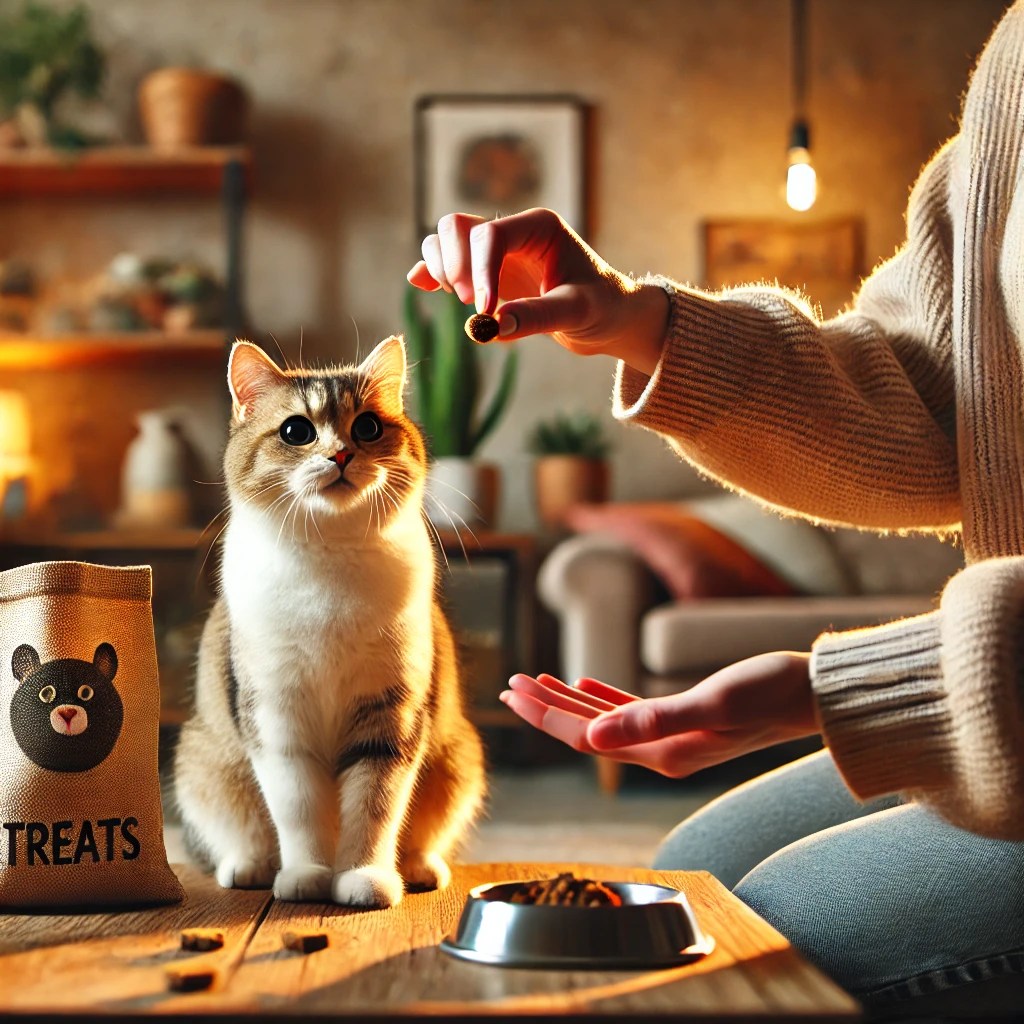
When most people think of pet training, they imagine a dog sitting on command or performing a trick. But did you know that cats, too, can be trained? While cats are often seen as independent and aloof, they are knowledgeable and responsive to positive reinforcement—especially when treats are involved.
Treat-based training has gained popularity among cat owners for its effectiveness and simplicity. By leveraging your cat’s natural love for tasty rewards, you can teach them basic commands, good behaviors, and even fun tricks. One of the most effective treats for this purpose is cat temptations, known for their irresistible taste and the perfect size for training.
In this guide, we’ll explore how you can use tempting cat treats to train your feline friend, strengthening their bond and making your home more harmonious.
The Role of Temptation Cat Treats in Training
Not all treats are created equal when it comes to training cats. The key to success lies in finding a treat that your cat can’t resist, and that’s where cat temptations shine.
Temptation cat treats are specifically designed to appeal to cats’ taste buds. Their crunchy outer layer and soft, flavorful center make them a hit with even the pickiest felines. Their small size makes them perfect for frequent rewards during training sessions, ensuring your cat stays motivated without overeating.
Why Cat Temptations Are Ideal for Training:
- High Palatability: Cats are more likely to respond to treats they find irresistible.
- Convenient Size: Small treats allow for multiple rewards in a single session.
- Variety of Flavors: Options like chicken, salmon, and tuna keep training sessions exciting.
Using temptation cat treats during training not only motivates your cat but also reinforces positive behaviors effectively.
Step-by-Step Guide to Training Your Cat with Treats
Training your cat with treats doesn’t have to be complicated. Here’s a step-by-step guide to help you get started:
1. Setting the Stage for Success
- Choose a quiet area free from distractions like loud noises or other pets.
- Have a bag of cat temptations ready to grab your cat’s attention.
- Keep sessions short—5 to 10 minutes is ideal—to match your cat’s attention span.
2. Teaching Basic Commands Cats can learn simple commands with the right approach. Here’s how to start:
- “Sit” Command:
- Hold a temptation cat treat just above your cat’s head.
- Slowly move the treat back so your cat naturally sits to follow it.
- Reward with the treat immediately and say “sit.”
- “Come” Command:
- Call your cat’s name while holding a treat.
- When they come to you, reward them with the treat and praise.
- “High Five” Command:
- Hold a treat in your hand and wait for your cat to paw at it.
- As they lift their paw, say “high five” and reward them.
3. Using Treats to Reinforce Good Behavior Treat-based training isn’t just for tricks; it’s also effective for encouraging good habits:
- Litter Box Training:
- Reward your cat with a treat after they use the litter box correctly.
- Scratching Post Training:
- Use cat temptations to lure your cat to a scratching post instead of furniture.
- Reward them when they use the post.
4. Building Trust and Strengthening the Bond Training sessions are more than just lessons—they’re opportunities to bond. Treats help create positive associations, making your cat more responsive and affectionate.
Tips and Tricks for Effective Cat Training
To maximize the effectiveness of treat-based training, follow these tips:
- Timing Matters: Always reward your cat immediately after they perform the desired behavior. This reinforces the connection between the action and the treat.
- Use Clicker Training: Pair treats with a clicker or verbal cue (like “good”) to help your cat associate the sound with positive behavior.
- Keep It Fun: Training should be enjoyable for your cat. If they lose interest, take a break and try again later.
- Rotate Flavors: Cats can get bored with the same treat, so switch between different flavors of temptation cat treats to maintain their interest.
Common Mistakes to Avoid When Training with Cat Temptations
While treat-based training is effective, there are some pitfalls to avoid:
- Overfeeding:
- Temptation cat treats are delicious, but overfeeding can lead to weight gain. Stick to the recommended serving size and adjust your cat’s regular meals accordingly.
- Inconsistent Rewards:
- Always reward desired behavior to reinforce it. Skipping rewards can confuse your cat.
- Rewarding Undesirable Behavior:
- Avoid giving treats when your cat exhibits bad behavior, as this may unintentionally encourage it.
- Impatience:
- Cats learn at their own pace. Be patient and celebrate small victories.
Conclusion: Why Cat Training with Temptation Treats is a Win-Win
Training your cat doesn’t just teach them tricks or good behavior—it strengthens the bond between you and your feline friend. By using cat temptations, you’re not only motivating your cat with delicious rewards but also fostering a positive and engaging learning environment.
From teaching basic commands to reinforcing good habits, treat-based training is a powerful tool for creating a happy and harmonious household. Remember to keep training sessions fun, use treats wisely, and be patient with your furry companion.
Investing in quality pet supplies like temptation cat treats ensures that your cat receives the best care possible. A happy, healthy cat is a joy to have around, making every effort you put into training worthwhile. So grab a bag of cat temptations and start your training journey today!
 Wiki Media Work